
This article presents basic concepts and critical perspectives on ecosystem alterations, focusing on how human activities have transformed biotic and abiotic system components. It synthesizes ecological theory with reflections on perception and communication, situating scientific evidence within broader debates about environmental change and media representation. Key elements include definitions of ecosystems, structural properties, scales of alteration, and the role of human impacts in shaping contemporary dynamics.


This article explores how artificial intelligence systems represent and generate visions of urban futures, analyzing the visual and conceptual imaginaries that emerge from algorithmic processes. It examines how machine learning models interpret cityscapes, the epistemological implications of AI-generated architectural visions, and the relationship between computational aesthetics and cultural narratives about urbanism. By situating AI representations within broader debates on technology, urban theory, and visual culture, the article offers a critical perspective on the future of cities.
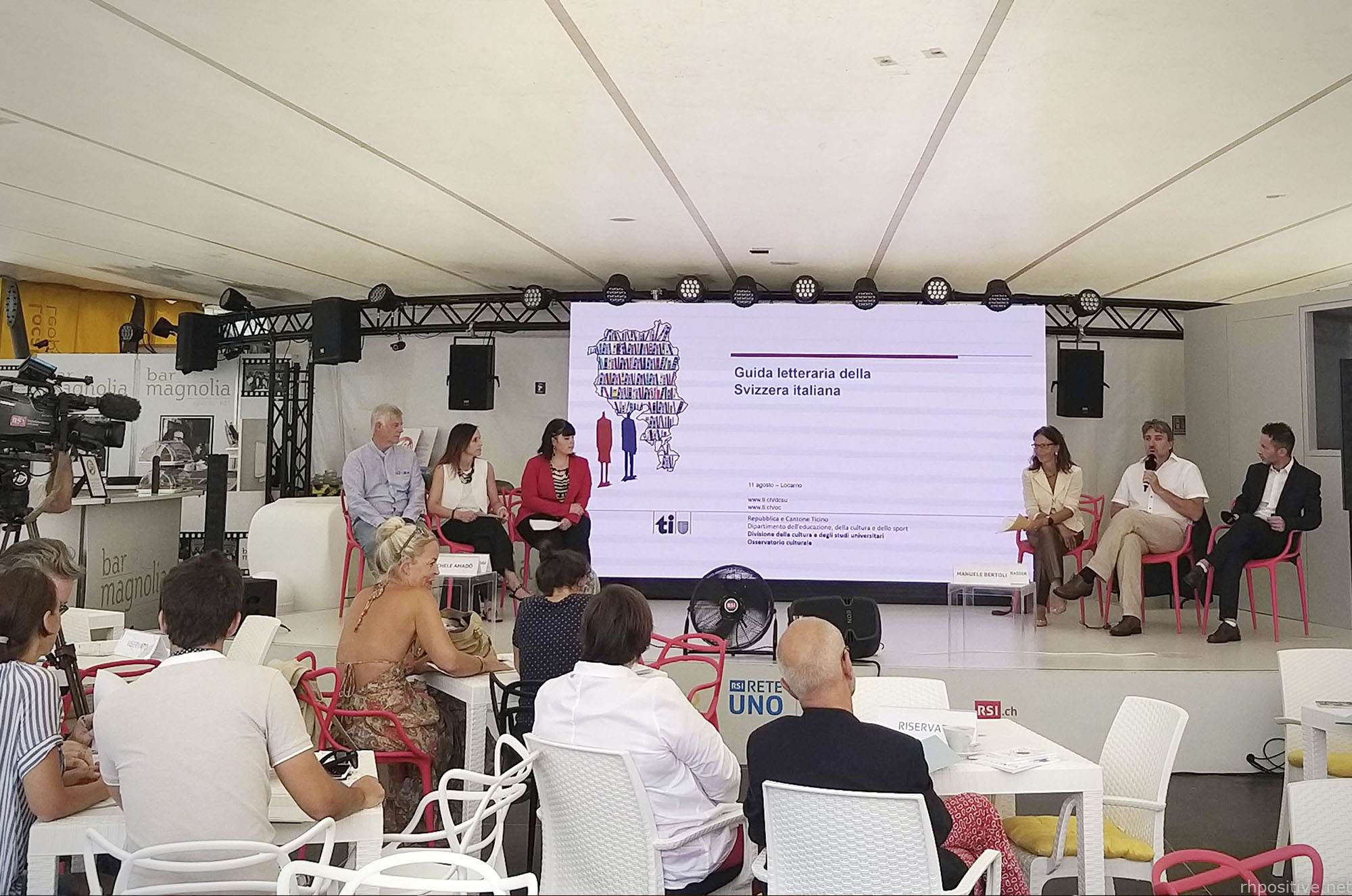
The Department of Education, Culture and Sport, through the Division of Culture and University Studies, presented officially on August, 11th the swiss Italian Literary Guide project at the Spazio Magnolia (RSI) in Locarno.

This article analyzes the dual phenomena of overtourism and undertourism, examining their causes, socio-economic impacts, and the complex challenges they present for contemporary tourism management. By contrasting these dynamics and exploring strategic approaches to sustainable governance, it situates the debate within broader discussions about mobility, cultural heritage, and urban resilience. The piece highlights key concepts, case examples, and future directions in the study of tourism flows.
Latest
- A Year in the Spotlight: Europe's Cultural Capitals Landscape
- Cultural Observatories Worldwide: A Map for Reading Culture
- Globetrotters. A Repertory of World Travelers, 1850-1945
- Giving a Voice to the Past: Intangible Heritage and Forgotten Territories
- Overtourism vs. undertourism: concepts, impacts and management strategies for contemporary tourism
Impressum
Copyright 1999-2026, www.rhpositive.net
Contact info@rhpositive.net
Source citation "Roland Hochstrasser, www.rhpositive.net"
Images Roland Hochstrasser unless otherwise specified
Translations Openai ChatGPT