
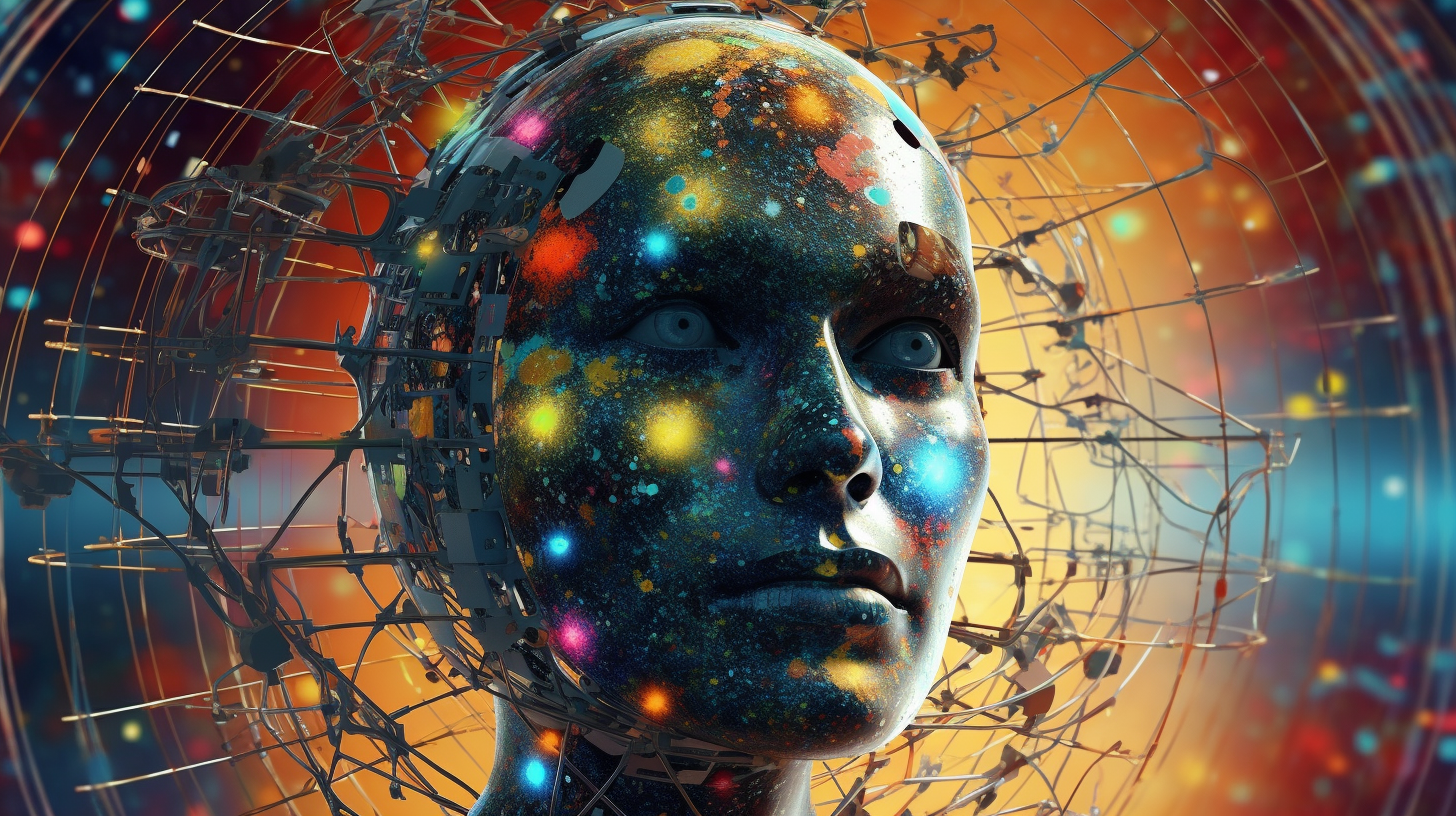
As artificial intelligence (AI) systems increasingly become more widespread in society, many people regularly interact with them as a normal part of their everyday lives. The increasing prevalence of and seeming familiarity with everyday applications that employ AI may, however, easily betray its complexity. Diagnoses of the role of AI in society in public and scholarly discourse regularly depict AI as a uniform, monolithic phenomenon - almost like a force of nature that drives societal change. This is palpable, for instance, in statements that posit that AI will transform all aspects of social and economic life. However, while it is true that a certain set of technological advances largely rooted in computer science are responsible for an entire array of innovations in various domains, speaking of AI as a single technical entity conceals how elusive and multifaceted the term is.
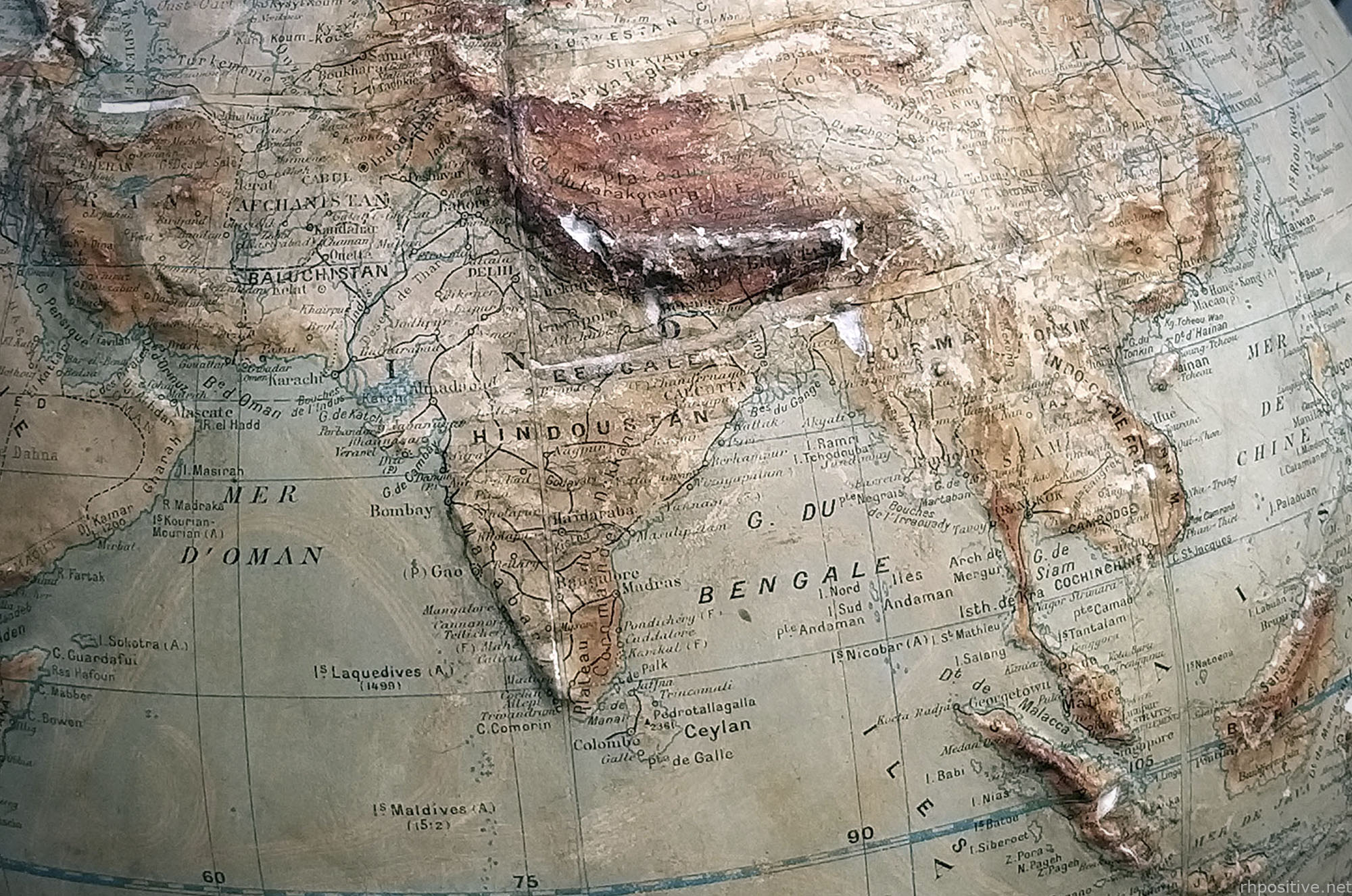
We live in an interesting time in that, materially, things are arguably better than they have ever been before, yet we all seem to be losing our minds thinking the world is one giant toilet bowl about to be flushed. An irrational sense of hopelessness is spreading across the rich, developed world. It’s a paradox of progress: the better things get, the more anxious and desperate we all seem to feel.
Manson, Mark. Everything Is F*cked : A Book about Hope. Unabridged. [New York, NY] : HarperAudio, 2019.
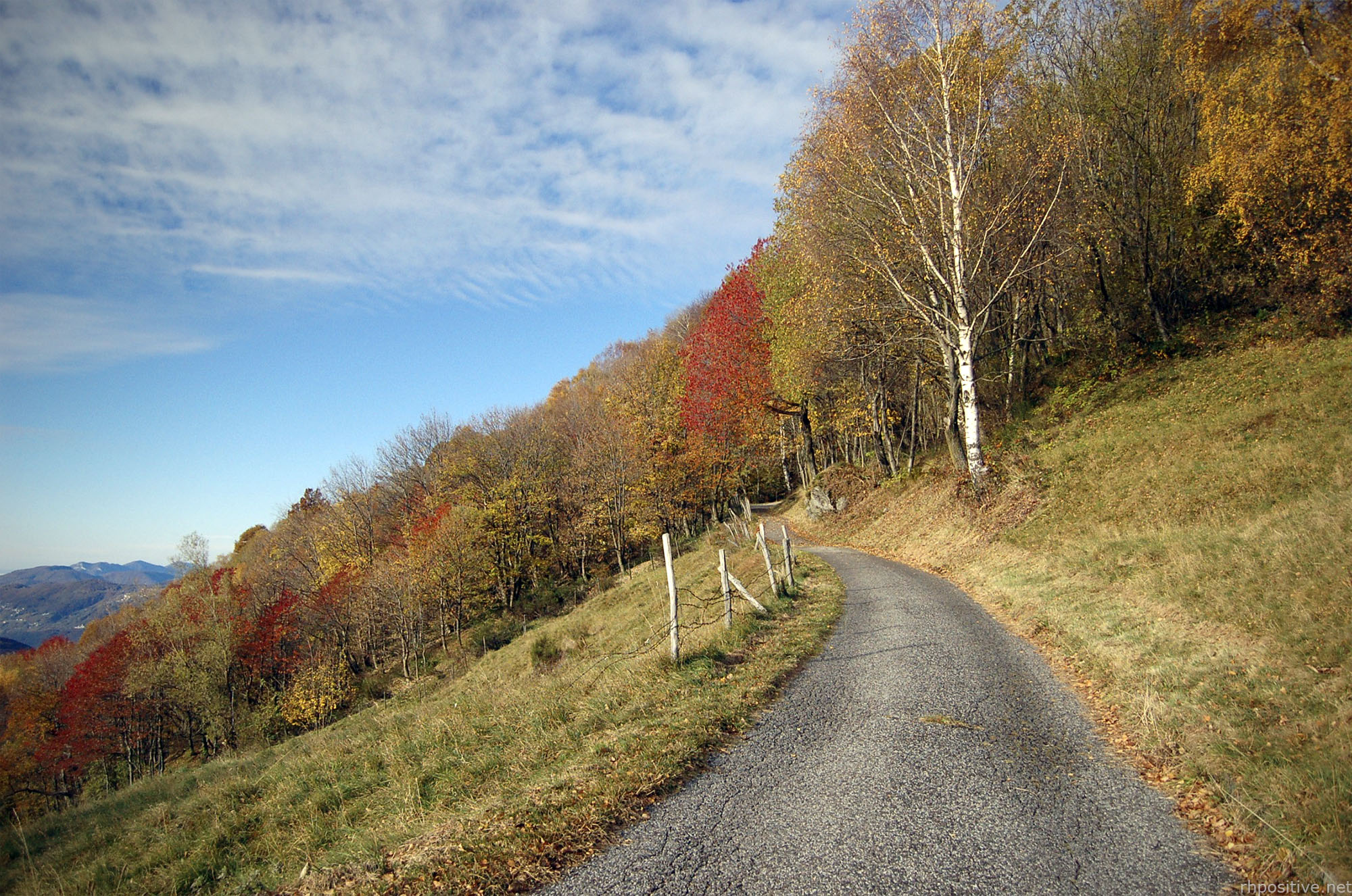
The science of planetary ecology is still young and undeveloped. It is not surprising that honest and well-informed experts can disagree about facts. But beyond the disagreement about facts, there is another deeper disagreement about values. The disagreement about values may be described in an over-simplified way as a disagreement between naturalists and humanists. Naturalists believe that nature knows best. For them the highest value is to respect the natural order of things. Any gross human disruption of the natural environment is evil. Excessive burning of fossil fuels is evil. Changing nature’s desert, either the Sahara desert or the ocean desert, into a managed ecosystem where giraffes or tunafish may flourish, is likewise evil. Nature knows best, and anything we do to improve upon Nature will only bring trouble.
The humanist ethic begins with the belief that humans are an essential part of nature. Through human minds the biosphere has acquired the capacity to steer its own evolution, and now we are in charge. Humans have the right and the duty to reconstruct nature so that humans and biosphere can both survive and prosper. For humanists, the highest value is harmonious coexistence between humans and nature. (...)
Here I must confess my own bias. Since I was born and brought up in England, I spent my formative years in a land with great beauty and a rich ecology which is almost entirely man-made. The natural ecology of England was uninterrupted and rather boring forest. Humans replaced the forest with an artificial landscape of grassland and moorland, fields and farms, with a much richer variety of plant and animal species. Quite recently, only about a thousand years ago, we introduced rabbits, a non-native species which had a profound effect on the ecology. Rabbits opened glades in the forest where flowering plants now flourish. There is no wilderness in England, and yet there is plenty of room for wild-flowers and birds and butterflies as well as a high density of humans. Perhaps that is why I am a humanist.
Latest
- A Year in the Spotlight: Europe's Cultural Capitals Landscape
- Cultural Observatories Worldwide: A Map for Reading Culture
- Globetrotters. A Repertory of World Travelers, 1850-1945
- Giving a Voice to the Past: Intangible Heritage and Forgotten Territories
- Overtourism vs. undertourism: concepts, impacts and management strategies for contemporary tourism
Impressum
Copyright 1999-2026, www.rhpositive.net
Contact info@rhpositive.net
Source citation "Roland Hochstrasser, www.rhpositive.net"
Images Roland Hochstrasser unless otherwise specified
Translations Openai ChatGPT