
Historically, AI research has been informed by an anthropocentric notion of intelligence. Human intelligence as the point of reference is present in several definitions of AI. For instance, AI has been called “the art of creating machines that perform functions that require intelligence when performed by people”24 and “the study of how to make computers do things at which, at the moment, people are better.” Similarly, the Merriam Webster dictionary describes AI as “the capability of a machine to imitate intelligent human behavior.” Indeed, the aim of achieving a likeness between minds and machines was already prevalent among pioneers of AI research, such as Wiener, Turing, and von Neumann.
While human intelligence provides a useful standard of comparison, it is ultimately of limited use. Not only do existing applications of AI already show super-human performance with regard to specific tasks, such as playing and winning at chess, but also, they do not have to function like the human mind, nor do they need to exhibit self-awareness and consciousness to perform tasks that would otherwise require intelligence when done by humans. Furthermore, there can be forms of nonhuman intelligence, as is found in some animals but also in certain phenomena of collective behavior, such as swarm intelligence. Important distinctions can thus be made between a human versus a more general rational standard and between behavioral versus thought-based definitions of intelligence. However, even within these categories it is possible to conceive of intelligence differently, for example in terms of capabilities, functions, or principles. In sum, there is, as Moore has noted, “no general theory of intelligence or learning that unites the discipline.”
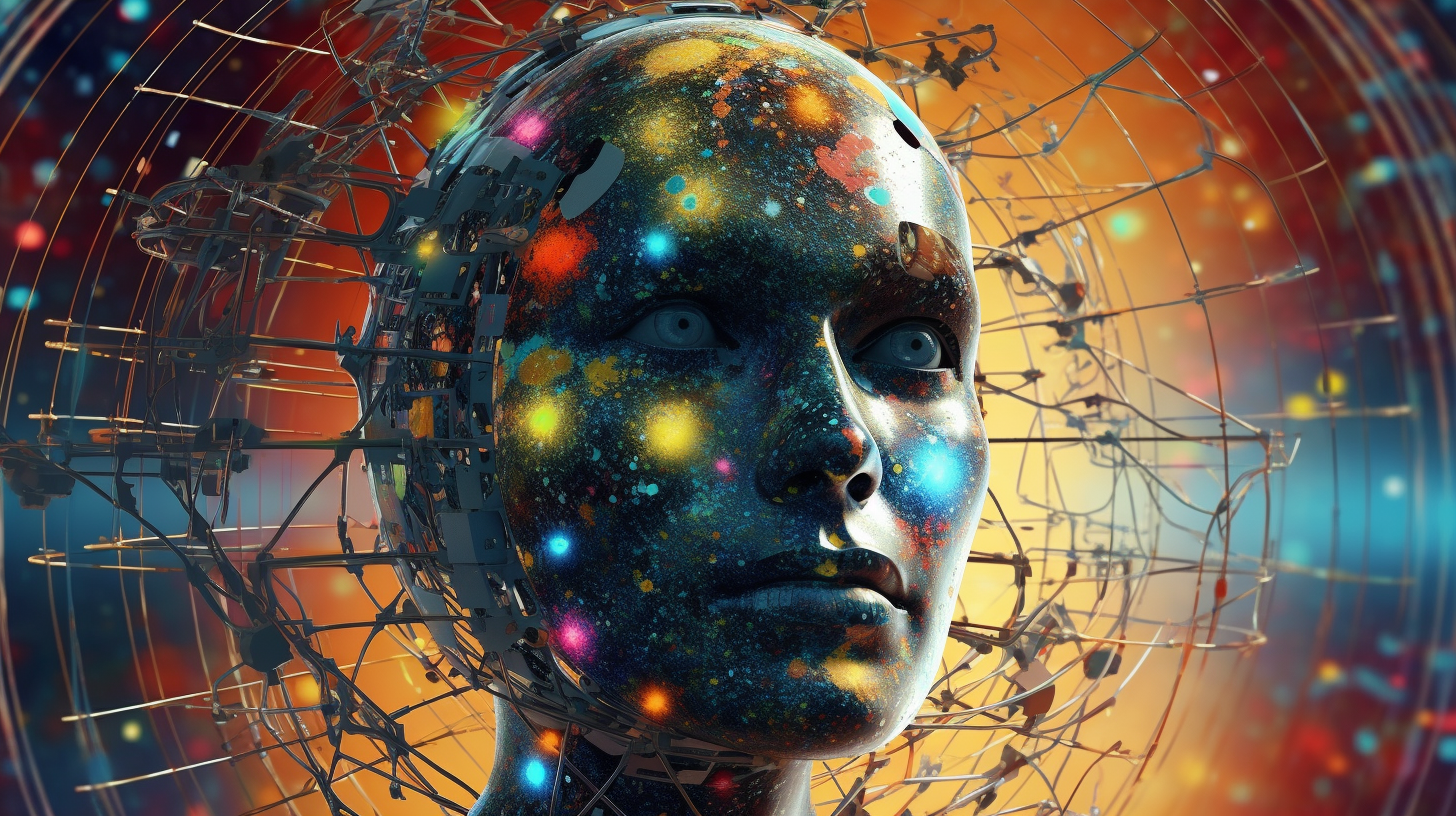
Cambridge Handbook of Artificial Intelligence, Anthropocentric notion
Frankish, Keith, William Ramsey Herausgeber, e Keith Frankish Herausgeber. 2014. The Cambridge Handbook of Artificial Intelligence. Cambridge Cambridge University Press.
Hits: 1491
Latest
- A Year in the Spotlight: Europe's Cultural Capitals Landscape
- Cultural Observatories Worldwide: A Map for Reading Culture
- Globetrotters. A Repertory of World Travelers, 1850-1945
- Giving a Voice to the Past: Intangible Heritage and Forgotten Territories
- Overtourism vs. undertourism: concepts, impacts and management strategies for contemporary tourism
Impressum
Copyright 1999-2026, www.rhpositive.net
Contact info@rhpositive.net
Source citation "Roland Hochstrasser, www.rhpositive.net"
Images Roland Hochstrasser unless otherwise specified
Translations Openai ChatGPT